She Survived Childbirth but Lost Her Dignity: The Ongoing Reality of Vesicovaginal Fistula in Nigeria and the Fight to End It
In Nigeria today, thousands of women are silently living with a condition that is both devastating and preventable vesicovaginal fistula (VVF).
Often hidden behind shame, stigma, and lack of awareness, VVF continues to affect women across communities, especially the most vulnerable. Yet, what many do not know is this: treatment is available, effective, and in most cases completely free.
What is Vesicovaginal Fistula (VVF)?
VVF is a childbirth-related injury that occurs when a woman experiences prolonged obstructed labour without timely medical intervention.
When labour is obstructed for hours or even days the baby’s head presses against the birth canal, cutting off blood supply to surrounding tissues. Over time, the tissue dies and breaks down, leaving a hole between the bladder and the vagina.
The result is continuous, uncontrollable leakage of urine (and in some cases, stool).
Beyond the physical pain, VVF comes with deep emotional and social consequences:
- Women are often abandoned by their husbands
- They are isolated from their communities
- Many live with shame, depression, and loss of dignity
Why Does VVF Still Happen?
In a time when modern medicine has advanced significantly, VVF should not exist. Yet, it persists largely due to systemic challenges.
Key contributing factors include:
- Poverty limiting access to quality healthcare
- Lack of skilled birth attendants during delivery
- Cultural practices that encourage home births
- Early marriage and early childbirth
- Weak healthcare systems, especially in rural areas
There is also a growing concern about iatrogenic fistula cases caused by surgical errors during procedures like caesarean sections. This highlights not just access issues, but also the need for improved quality of care.
One of the most important truths that needs more awareness is this:
Even women who have lived with the condition for years or who have had failed surgeries elsewhere can still receive successful treatment.
But the challenge is not just treatment it is awareness.
Many women do not come forward because:
- They do not know treatment exists
- They believe it is too expensive
- They are ashamed to speak about their condition
Nigeria has made significant progress in expanding access to fistula care.
There are about 25 specialized fistula repair centers across the country, providing free or highly subsidized treatment to women.
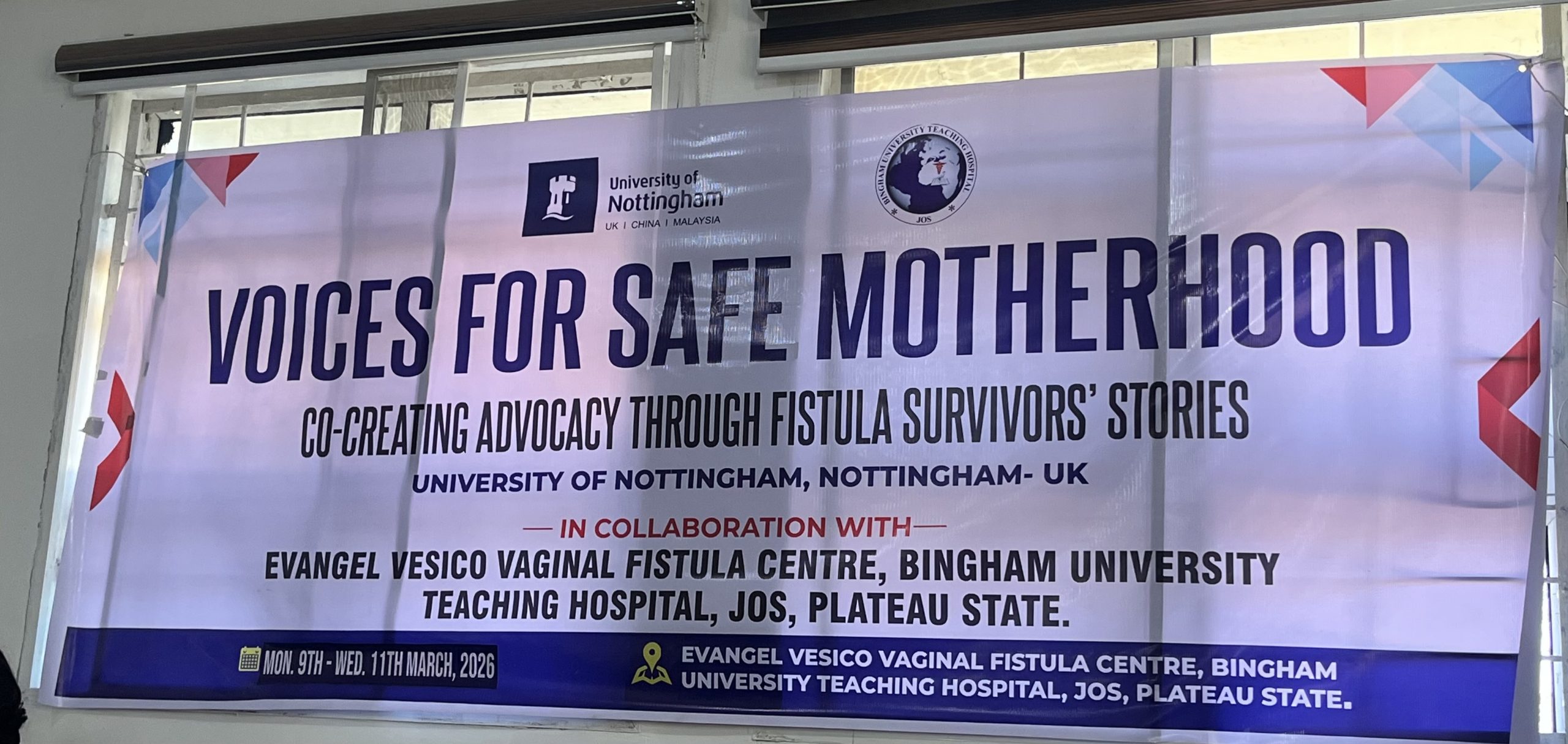
One of the leading centers is the
Evangel Vesicovaginal Fistula Center, located at the
Bingham University Teaching Hospital in Jos.
For over three decades, this center has:
- Treated thousands of women
- Handled even the most complex and previously “inoperable” cases
- Provided not just surgery, but holistic care including psychological support
Across Nigeria, these centers offer:
- Free surgical repair
- Feeding and accommodation
- Basic hygiene support
- In some cases, transportation assistance
Yet, despite these services, many women—especially in remote communities—still do not know that help is available.
Beyond Surgery: Healing the Whole Woman
VVF is not just a physical condition—it is deeply emotional.
Many women arrive at treatment centers after years of:
- Rejection
- Abuse
- Isolation
That is why many centers now provide:
- Counseling and mental health support
- Group therapy and peer support
- Reintegration programs
Healing, therefore, is not just about closing a physical wound—it is about restoring dignity, confidence, and identity.
Progress and the Road Ahead
There is progress.
- The number of women living with fistula in Nigeria has significantly reduced in recent years
- Awareness is slowly improving
- More women are now seeking treatment earlier
However, challenges remain:
- Thousands of new cases still occur annually
- Many communities remain unreached
- Health systems still struggle with capacity and quality gaps
Prevention is the Ultimate Goal
While treatment is important, prevention is the real solution.
VVF can be prevented when:
- Women attend antenatal care
- Deliveries are handled by skilled birth attendants
- Emergency services like caesarean sections are available when needed
- It also requires:
- Family support
- Community awareness
- Stronger health systems
VVF is often called a “disease of poverty,” but more accurately, it is a failure of access and awareness.
No woman should have to live with a condition that is:
- Preventable
- Treatable
- And curable
The existence of VVF centers across Nigeria is a powerful reminder that solutions exist.
Now, the responsibility lies with all of us to share the message, break the silence, and ensure that every woman knows:
You are not alone. Help is available. And your life can be restored.