Combating Mob Lynching Begins with Community Conversations: Fwinbe Thomas Foundation Engages Okada Riders in Jos
Mob lynching remains one of the most troubling social challenges facing many communities across Nigeria. In moments of anger, suspicion, or misinformation, crowds often take the law into their own hands, leading to tragic consequences that leave lasting scars on victims, families, and entire communities.
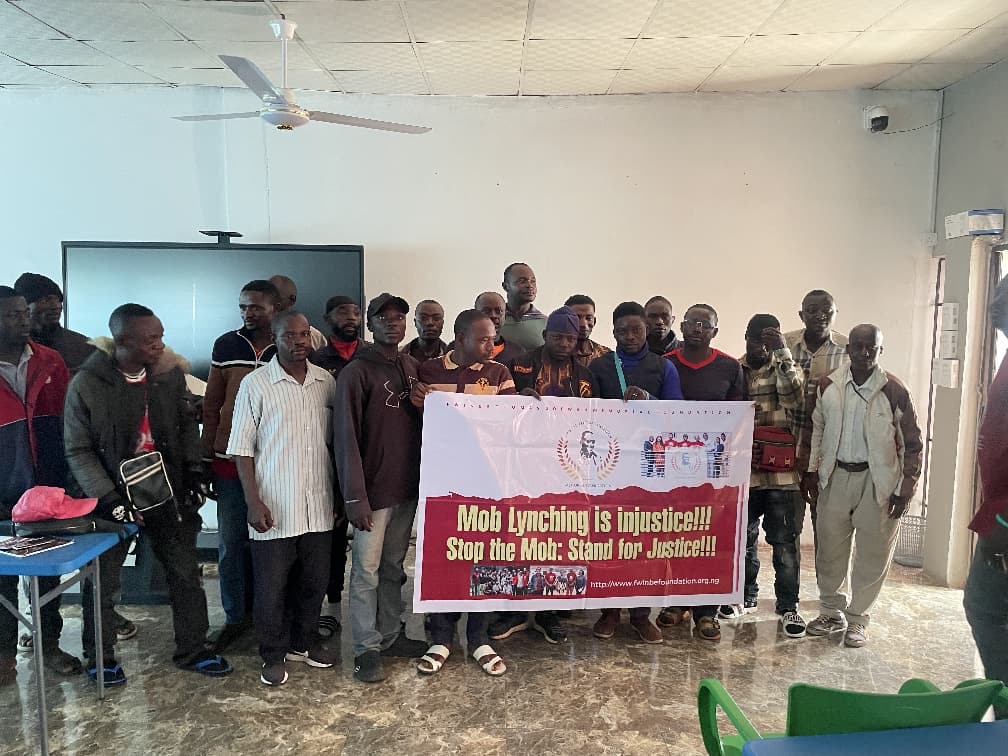
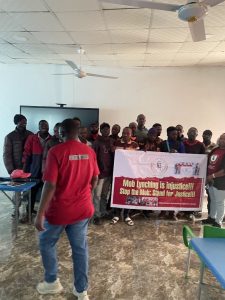
Recognizing the urgent need to address this issue, the Fwinbe Thomas Memorial Foundation on Thursday held a sensitization and community engagement program with commercial motorcycle riders, popularly known as Okada riders, in Tudun Wada, Jos.
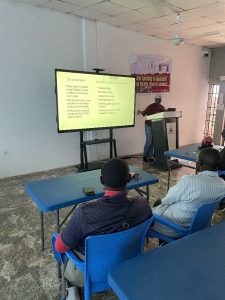
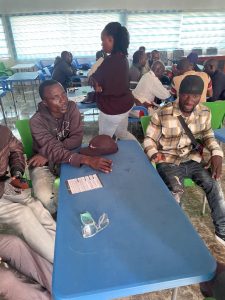
The event brought together dozens of riders for a frank and interactive discussion on the causes, consequences, and possible solutions to mob lynching. Rather than delivering a one-way lecture, the Foundation adopted a participatory approach, allowing the riders themselves to analyze the problem and propose solutions.
Speaking at the event, the Program Manager of the Foundation, Bright Habila, explained that the initiative forms part of the organization’s broader campaign to combat mob lynching and promote justice within communities.
According to him, the Foundation had previously organized a sensitization program themed “Youths Against Mob Lynching,” which focused on engaging young people. This latest edition specifically targeted commercial motorcycle riders because of their strategic position within communities.
“Okada riders are among the closest people to the grassroots,” he noted. “They are often the first to receive information when an incident occurs, and unfortunately, they can also become the first group to mobilize crowds. In some cases, they are among those who provide fuel used in carrying out mob attacks. This makes them a critical group to engage if we are serious about ending mob lynching.”
His remarks set the tone for a thought-provoking session that challenged participants to rethink their roles and responsibilities whenever allegations of theft, crime, or wrongdoing arise within their communities.
To encourage active participation, attendees were divided into three groups. Each group was assigned a question relating to mob lynching and asked to discuss the issue among themselves before presenting their conclusions.
The first group tackled the question: What are the common causes of mob lynching in our communities?
After a lively discussion, the group identified misinformation as one of the major triggers of mob violence. Participants noted that many incidents occur because people act on rumors or incomplete information without verifying facts.
They also pointed to the lack of proper investigation whenever a suspect is apprehended. According to the group, many people rush to judgment instead of allowing security agencies to determine the truth.
Another major factor identified was impatience. Participants observed that many citizens are unwilling to wait for law enforcement officers to arrive and conduct professional investigations, often choosing instead to administer instant punishment.
The second group examined the question: Why do people join mobs instead of allowing the law to take its course?
Their response revealed several deep-rooted social and psychological factors.
One of the most significant reasons identified was trauma from previous experiences. Participants explained that individuals who have suffered losses due to theft or criminal activity may react emotionally whenever a suspect is caught.
For example, someone who has previously lost valuable property to thieves may immediately support violent punishment when hearing that a suspected thief has been apprehended. Such reactions, they said, are often driven by unresolved pain rather than objective reasoning.
The group also highlighted a lack of understanding about the principles of justice and due process. Many people, they argued, fail to appreciate the importance of allowing suspects to face investigation and trial before judgment is passed.
Another major concern raised was the lack of trust in law enforcement institutions. Participants noted that many citizens believe suspects can easily secure their release after arrest, particularly through bribery or corruption. This perception often fuels the desire for instant justice outside the legal system.
Envy was also identified as a contributing factor. According to the group, personal grudges, jealousy, or malicious intentions can lead individuals to falsely accuse innocent people, triggering mob action against them.
The third group focused on the question: What are the consequences of mob lynching on victims, families, and communities?
Their answers painted a sobering picture of the devastating impact of mob violence.
For victims, mob lynching denies them the fundamental right to a fair hearing and due process. Innocent individuals may be punished without any opportunity to defend themselves or prove their innocence.
Participants also highlighted the physical consequences, including permanent disabilities, severe injuries, emotional trauma, and loss of life.
For families, the effects can be equally devastating. Mob lynching often robs families of loved ones, leaving emotional wounds that may never fully heal. In many cases, families lose breadwinners and primary providers, creating financial hardship alongside emotional pain.
At the community level, participants noted that mob lynching creates a climate of fear and trauma. Beyond the immediate tragedy, communities may lose future leaders, innovators, and contributors whose potential is cut short by violence.
They further observed that communities associated with mob lynching incidents often develop negative reputations, damaging social cohesion and discouraging development.
One of the most remarkable aspects of the engagement was the willingness of participants to openly examine their own roles in either preventing or encouraging mob action. The discussions demonstrated that many community members understand the dangers of mob justice and are ready to become advocates for change when given the opportunity.
The program also emphasized a powerful message: justice cannot thrive where anger replaces investigation, and communities cannot prosper when suspicion becomes a death sentence.
The Fwinbe Thomas Memorial Foundation’s intervention comes at a crucial time when many communities continue to grapple with incidents of jungle justice. By engaging influential grassroots groups such as commercial motorcycle riders, the Foundation is helping to build a culture where dialogue, evidence, and lawful processes take precedence over violence.
As the session concluded, participants were encouraged to become ambassadors of peace and justice within their neighborhoods. They were reminded that every citizen has a role to play in protecting lives, promoting fairness, and ensuring that accusations are investigated rather than punished through mob action.
The fight against mob lynching cannot be won by government institutions alone. It requires the collective effort of community leaders, youth groups, transport unions, security agencies, and ordinary citizens.
Through initiatives like this, the Fwingbe Thomas Memorial Foundation is demonstrating that meaningful change begins with conversations, education, and community ownership of the problem.
If the lessons from Thursday’s engagement are carried into homes, streets, and neighborhoods across Jos and beyond, then the vision of communities where justice prevails over violence may become a reality sooner than many imagine.