Building Resilient Communities Through Media Training on Climate Communication in Jos
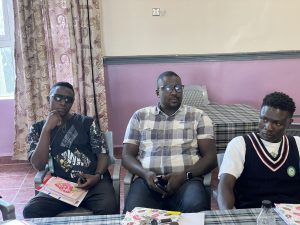
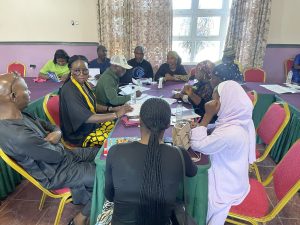
On March 24, 2026, stakeholders, media professionals, and development practitioners gathered at the Jos Business School in Jos for a pivotal training on climate resilience communication. The event, organized under the BRIDGE Project (Building Resilient Communities: Integrated Climate Adaptation and Conflict Mitigation in Nigeria’s Middle-Belt Region), marked a significant step toward strengthening how climate stories are told and understood at the grassroots.
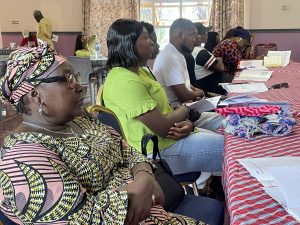
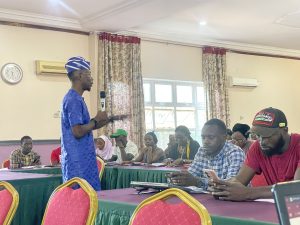
Delivering the welcome address, Project Manager Emelis Samuel Adide described the training as a culmination of months of collaborative work since August 2025. Now in its final commissioning phase, the project reflects a journey of dialogue, strategy development, and shared learning.
He emphasized the project’s unique approach exploring the intersection of journalism, music, and climate change while highlighting the importance of connecting global climate conversations to local communities in meaningful ways.
“We aim to equip participants with the tools to translate climate science into accessible narratives and promote non-conflict-sensitive approaches in their work,” he noted.
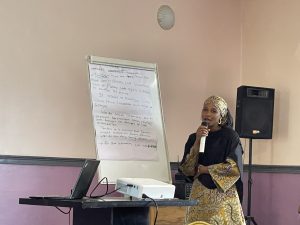
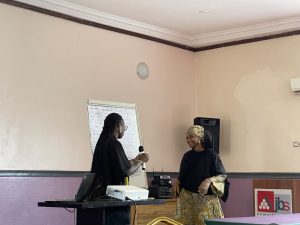
Facilitated by Kassim Khalid, the training featured a series of practical and engaging sessions designed to strengthen participants’ understanding of climate change and improve their reporting skills.
Climate Change in the Middle Belt
Participants explored the realities of climate change in Nigeria’s Middle Belt, identifying key drivers of vulnerability and discussing community-based adaptation strategies. The session grounded global climate issues in local experiences flooding, displacement, and resource-based conflicts.
Mastering Climate Communication
A core focus of the training was effective communication. Participants learned how to simplify complex climate concepts using clarity, accuracy, and inclusivity ensuring messages resonate with everyday people.
Conflict-Sensitive Reporting
Recognizing the fragile dynamics of the region, the training emphasized ethical reporting through “Do No Harm” principles. Journalists were encouraged to frame climate stories in ways that inform without inflaming tensions.
Tackling Misinformation
With misinformation on the rise, participants were introduced to verification tools and techniques to ensure accurate climate reporting an essential skill in today’s fast-moving media landscape.
Amplifying Indigenous Knowledge
The training also highlighted the value of indigenous knowledge systems. Participants explored how local experiences and traditional practices can enrich climate storytelling and offer sustainable solutions.
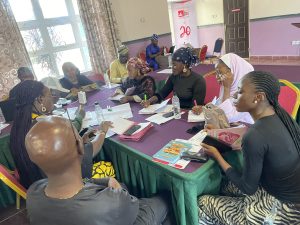
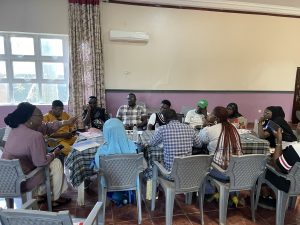
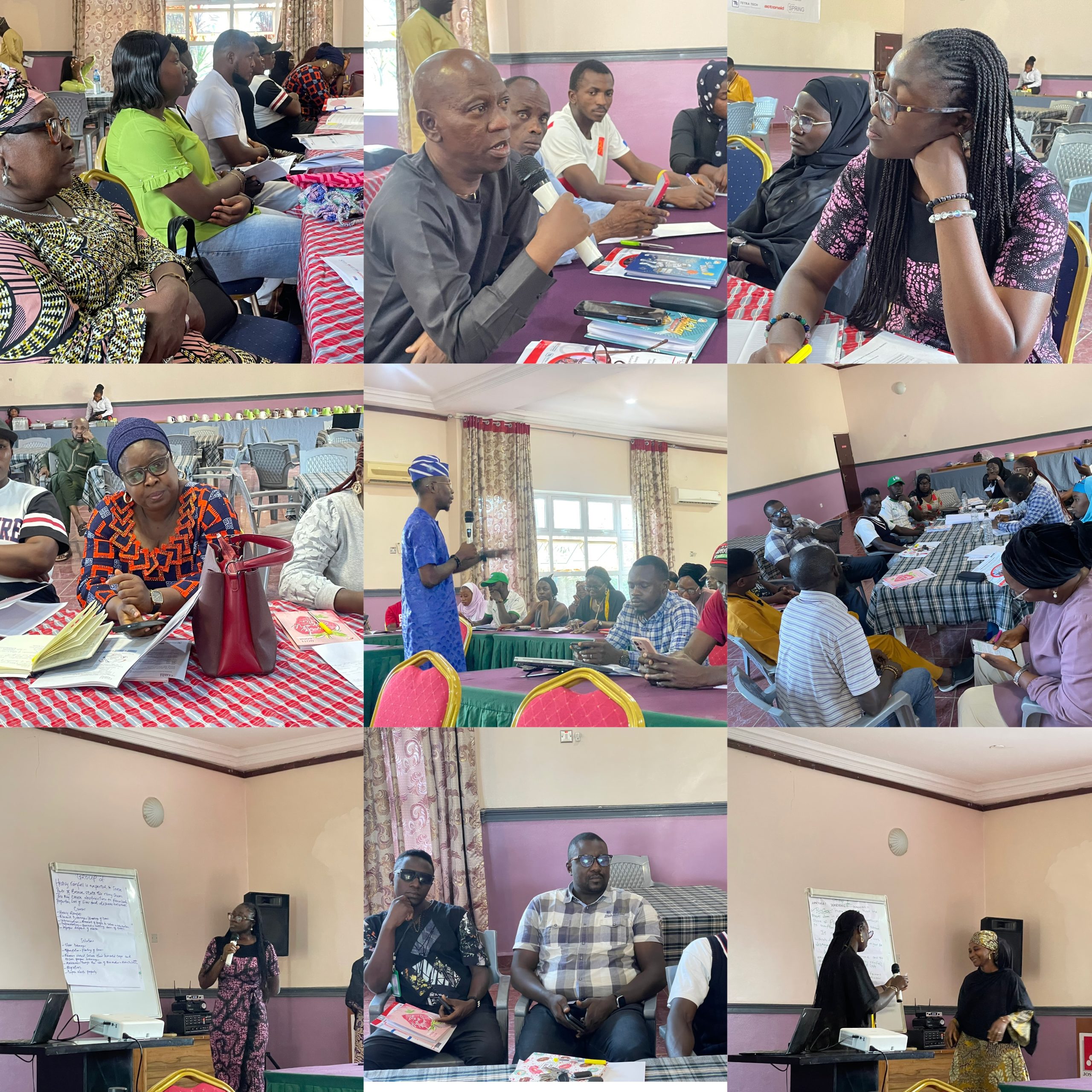
One of the most engaging moments of the training came during the group breakout session. Participants were divided into three groups and tasked with developing a simple, clear flood warning message.
The exercise was rooted in a real challenge: despite government efforts to send flood alerts via radio and community leaders, many people either misunderstood the warnings or ignored them due to past inaccuracies.
Each group worked to answer critical questions:
• Who needs to hear the message?
• What language will they understand?
• What immediate actions should they take?
The session sparked creativity, collaboration, and practical problem-solving, as participants crafted messages tailored to farmers, women, the elderly, and young people.
In his closing remarks, Emelis Samuel Adide expressed gratitude to all participants and partners for their commitment and active engagement throughout the project.
He urged attendees to take the lessons beyond the training room
“Apply what you have learned. Tell stories that inform, empower, and build resilience within communities”.
As climate change continues to reshape livelihoods across Nigeria’s Middle Belt, the role of the media has never been more critical. Beyond reporting events, journalists are storytellers, educators, and bridge-builders between science and society.
The BRIDGE Project reminds us that resilience is not just about infrastructure or policy it is also about communication, trust, and the power of informed communities.