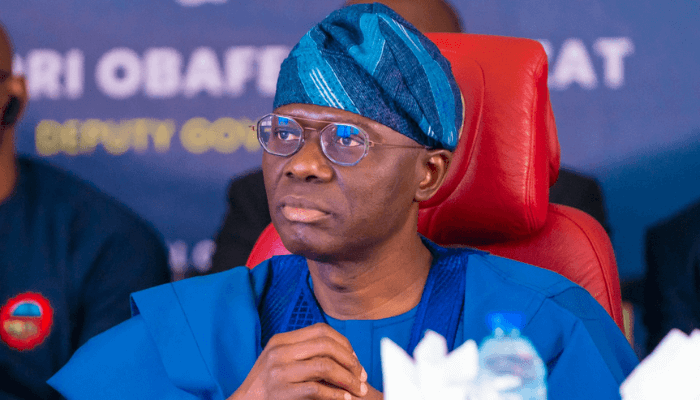

Lagos State recorded more than N1.7 trillion in internally generated revenue, IGR, in 2025, further consolidating its position as Nigeria’s highest revenue-generating state and setting a pace for others to emulate.
Governor Babajide Sanwo-Olu disclosed this on Wednesday during a meeting of the Joint Revenue Board in Lagos, where he urged state governments to strengthen their Internal Revenue Services to improve revenue mobilisation and support development.
The 2025 figure represents a 39 per cent increase from the N1.2 trillion generated in 2024, reflecting steady growth driven by reforms, digital transformation, and improved tax compliance.
Sanwo-Olu attributed the performance to deliberate policies that grant revenue agencies operational independence, adequate funding, and institutional support.
“It is only when you give revenue agencies what they need and allow them to work independently that you can fully harness their expertise,” he said.
He explained that Lagos’ revenue expansion has been underpinned by investments in digital tax infrastructure, widening of the tax base, and initiatives aimed at strengthening public confidence in the system, noting that IGR now constitutes a substantial share of the state’s budget.
According to the governor, the improved revenue profile has enabled the state to fund key infrastructure and social programmes under its THEMES+ agenda, targeted at over 24 million residents.
Also speaking, Chairman of the Joint Revenue Board, Zacch Adedeji, commended Lagos for its sustained performance, describing it as the outcome of long-term reforms initiated over a decade ago.
He noted that the state’s annual revenue had grown from less than N94 billion prior to the 2007 reforms to over N1.7 trillion in 2025, adding that the gains have translated into visible development outcomes.
Adedeji cited major projects such as the Ojota–Opebi Link Bridge, the Abijo Agro Food Hub, and the Tolu Schools Complex, as well as ongoing rail mass transit development, as examples of how improved revenue mobilisation supports infrastructure and economic growth.
Chairman of the Lagos State Internal Revenue Service, Ayodele Subair, attributed the achievements to consistent government backing, including investments in systems, personnel, and operational capacity.
He described Lagos as a benchmark for efficient tax administration and expressed optimism that stronger collaboration among states would enhance revenue performance nationwide.
The development comes amid calls by stakeholders at the meeting for greater harmonisation of tax systems across the country to boost efficiency, transparency, and overall economic growth.